Shampoo Ginger
Latin Name: Zingiber zerumbet
Common Names: Shampoo ginger, pinecone ginger, bitter ginger, lempoyang (Malay/Indonesia), ‘awapuhi (Hawaiian), wild ginger, pine cone lily
Family: Zingiberaceae
Habitat: Native to SE Asia (India and the Malay Peninsula), this tuberous perennial plant is now cultivated across the tropical regions of the world, including here in FL. It prefers damp, shady areas usually along stream banks or forest edges and can be easily grown in our Florida gardens in a shady spot, in well-draining soil.
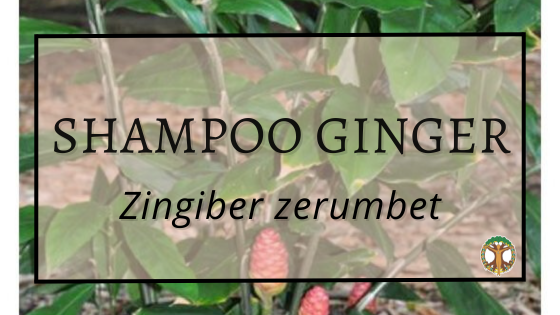
Shampoo ginger sends up slender stalks in the late spring that can grow 3-7 feet tall. The egg-shaped flowering stalk grows in late summer which starts green with cream colored flowers (6-12cm long) that then changes from green to red as the temperatures cool off. It then looks like a red pinecone and when squeezed produces a clear fragrant liquid. In the fall/winter the plant will go dormant and leaves will yellow and wither. To propagate, dig up and divide some of the rhizomes and replant elsewhere. Plant spreads via rhizomes into a large patch, so be sure you have enough space when initially planting.
Parts Used: rhizome, pinecone (flower) liquid, leaves
History/Tradition: Shampoo ginger has been used as traditional medicine by Asian, Indian, Chinese, and Arabic peoples since ancient times. The rhizomes are edible and medicinal and the liquid produced from the flowers has been used by Hawaiians as a shampoo and natural conditioner. Some traditional uses of the rhizome include treatment of inflammation, fever, toothache, indigestion, constipation, diarrhea, and to relieve pain. Some additional uses include for edema, stomach ache, loss of appetite, headache, bruising and achy joints. The rhizome can be made into tinctures, poultices and even powdered.
Systems: digestive, musculoskeletal, integumentary
Actions: antipyretic, anti-inflammatory, antibacterial, anti-diarrheal, antioxidant, antidiabetic, carminative, anticancer, antimicrobial, analgesic, and diuretic
Cautions: None known.
Constituents: Zerumbone (sesquiterpene) — primary bioactive constituent (~86% of rhizome essential oil), flavonoids, phenolics, broad range of polyphenols, alkaloids, and terpenes
Culinary Use: The fresh rhizomes are traditionally used in a dish called lalab in Indonesia. It has an earthy, peppery and more bitter taste than regular ginger. The fragrant leaves of shampoo ginger can be used to wrap fish while cooking.
Other Uses: The ground dried rhizome has also been used as a perfume and the essential oils have been used in soaps. The liquid from the flowers can be saved and frozen in ice cube trays for later use.
References:
https://pubmed.ncbi.nlm.nih.gov/29141544/ Recent Updates on the Phytochemistry, Phamacological, and Toxicological Activities of Zingiber zerumbet. 2017.
https://blogs.ifas.ufl.edu/gadsdenco/2020/08/12/gingers/
https://onlinelibrary.wiley.com/doi/full/10.1155/2011/543216 Zingiber zerumbet: A Review of It’s Ethnomedicinal, Chemical, and Pharmacological Uses
https://plants.ces.ncsu.edu/plants/zingiber-zerumbet/common-name/shampoo-ginger/
https://www.sciencedirect.com/science/article/pii/S0102695X16000259 Several aspects of Zingiber zerumbet: a review. 2016.
Written by Jaime Pawelek