-
Licorice
The Greek name, glykyrrhiza, of which the genus was derived, means sweet root.
-
Comfrey
Used for hundreds of years for its healing properties, one of it’s first mentions was by Pliny the Elder who claimed it was used for the treatment of bruises and sprains and the rapid healing of wounds.
-
Thyme
The genus name Thymus is taken from the Greek work thymos, which means courage, or strength.
-
Cleavers
Cleavers is a spring tonic herb and is especially aligned with the lymphatic and urinary systems.
-
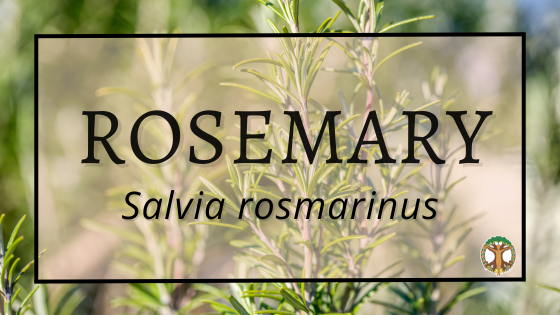
Rosemary
Rosemary was associated in Greek mythology with the goddess Mnemosyne whose name means memory.
-
Kumquat
Kumquats have a long been used in Traditional Chinese medicine (TCM) to treat respiratory conditions like cough and sore throat.
-
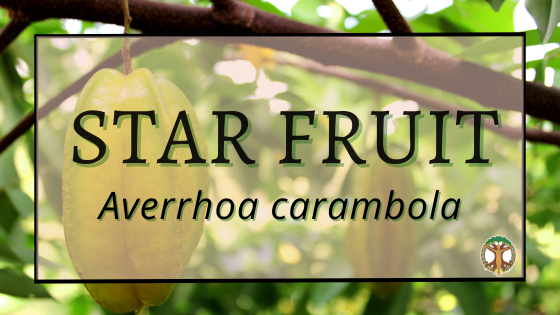
Star Fruit
Star fruit is delicious eaten raw, made into a beverage, added to salads, pickled or added to baked goods.
-
Pond Apple
One of the more common uses of pond apple is to make a syrup from the boiled fruit to treat cough from tuberculosis, as well as other lung and chest issues.
-
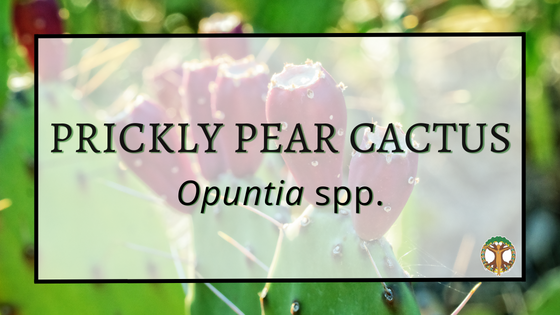
Prickly Pear Cactus
The usage of the many Opuntia species is great and varied, from food and medicine to dye and water purification. This genus of cactus has historical and modern usage beyond that of nopal tacos (which is one superb way to utilize this spiky plant’s tender pads).
-
Common Boneset
The Eupatorium genus comprises about 45 species in the eastern US and is known to be used by many indigenous peoples, especially E. perfoliatum.


Learn Herbalism in Florida and Globally