-
Violet
This beloved garden plant not only delights us with the beautiful purple flowers of its namesake, but also offers us sweet, cooling, anti-inflammatory medicine.
-
Spearmint
There are hundreds of varieties of cultivars within the mint family, many of which are used for their pleasant taste and medicinal value. One such variety is spearmint; utilized for its stimulant, carminative, antimicrobial and antispasmodic properties, with a long history of use in soothing digestive upset (nausea, gas, bloating).
-
Dagga
Native to subtropical Africa, dagga does very well in our Central Florida climate. It has a sister, Leonotis leonurus, that looks very similar and is also heavily planted in Central Florida gardens.
-
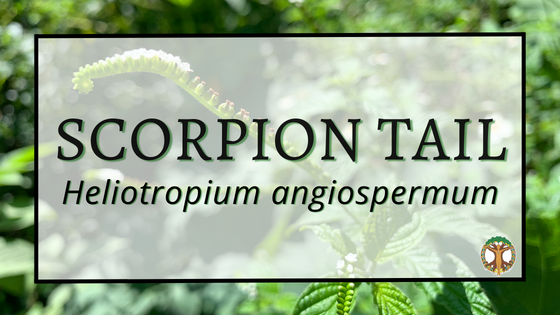
Scorpion Tail
About 2 feet in height, native to the Central East Coast of Florida, and South Florida, as well as the Caribbean and Central America. In Central Florida Scorpion-Tail is a nice herbaceous garden plant, rarely becoming weedy.
-
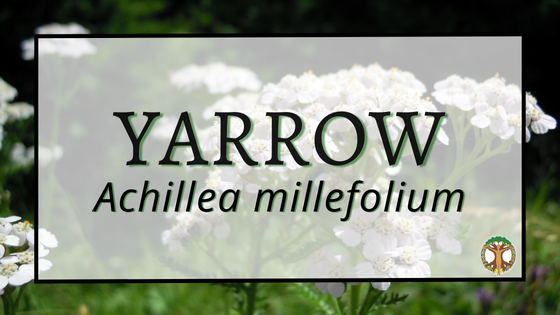
Yarrow
The historical uses for yarrow, both for physical and spiritual health, are as plentiful as its common names (which include milfoil, plumajillo, Soldier’s herb, herba militaris, Knight’s milfoil, carpenter’s grass and nosebleed).
-
In Memoriam: Dr. James Duke (1929-2017)
written by Emily Ruff Dr. James A. Duke, a devoted ethnobotanist and champion of the green world, passed away December 10 2017 at the age of 88. He is survived by his wife Peggy, a botanical illustrator with whom he collaborated on many of his books. He is also survived by his two children, many grandchildren, and a countless assortment of herbalists who count Jim among their elders. The list of accolades one could recount about Jim’s life is without end, and many articles have paid tribute to his vast contribution to the botanical academy during his life. He was a prolific author, well known for his 1997 bestseller, The Green…
-
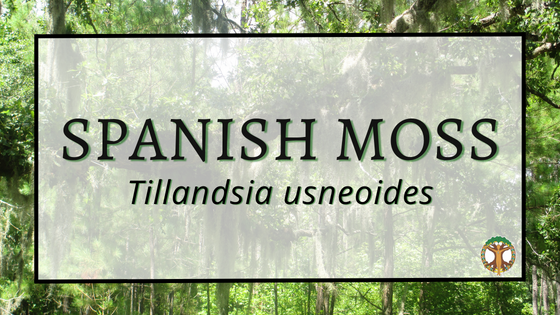
Spanish Moss
Contrary to popular belief, Spanish moss is not a parasite and does not actually feed off the tree for nutrients or cause it harm, but simply wraps its wiry tendrils around the tree for support.
-
Herbal Books: Staff Picks!
A common indulgence amongst all herbalists is none other than herbal books. That insatiable desire to read everything about all the things is real and endless. For some, that’s the initial knowing that herbalism is the path they should should dedicate themselves to. They feel this incredible, almost demanding, urge to sit with herbal information via their most trusted resources. Below our staff shares their most trusted books that have influenced their herbal journey. Chris Flocken, Bookkeeper Extraordinaire – “The Desert Year” by Joseph Wood Krutch “The flora, the fauna, the topography, the atmospheric conditions of the Sonoran Desert are among my oldest and dearest friends. The valley formed by…
-
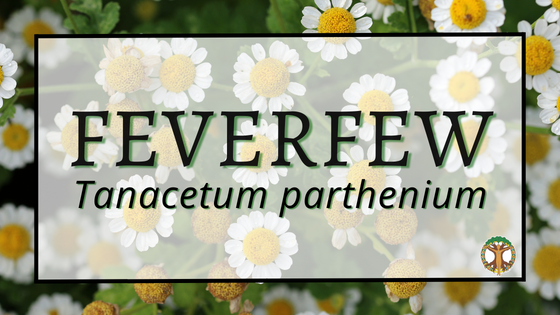
Feverfew
The feverfew herb has been used as an herbal remedy since Dioscorides in78 A.D. Feverfew was used to treat headaches, menstrual irregularities, stomachaches and all types of fevers.
-
Bald Cypress
Bald cypress are found in swampy areas of the southeastern US as well as areas surrounding lakes and rivers and inundated areas with flowing water.

Learn Herbalism in Florida and Globally