-
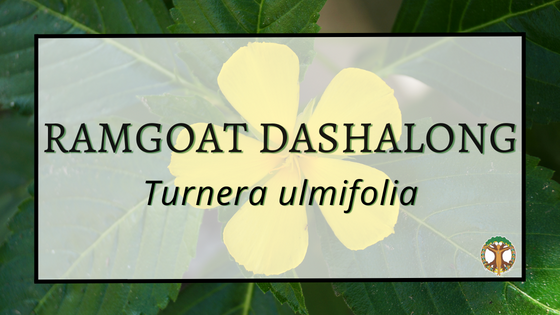
Ramgoat Dashalong
The leaves make teas to help ease the symptoms of constipation and diarrhea, colds, flu, menstrual cramping, heart palpitations, hair loss, thrush, and other conditions.
-
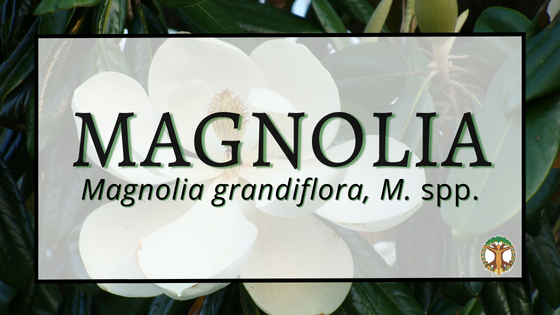
Magnolia
Magnolia is a symbol of perseverance, endurance and long life because of the tough thick flowers and the long life of the trees which can survive over a hundred years.
-
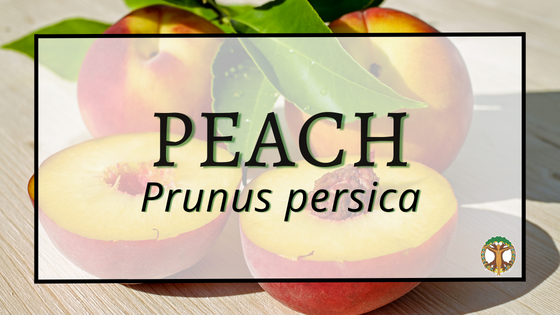
Peach
Peach is an old European folk remedy that was adopted by the Indigenous people as a food and medicine when European settlers brought it to the New World.
-
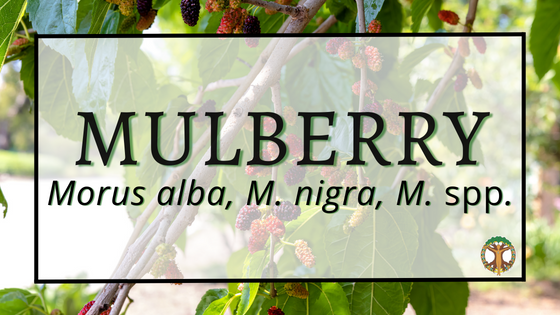
Mulberry
Native to China and is grown all around the world. It is a perennial bush or tree herb with heart-shaped leaves that can be found in urban areas as an ornamental and can be found across the world wherever there are silkworms.
-
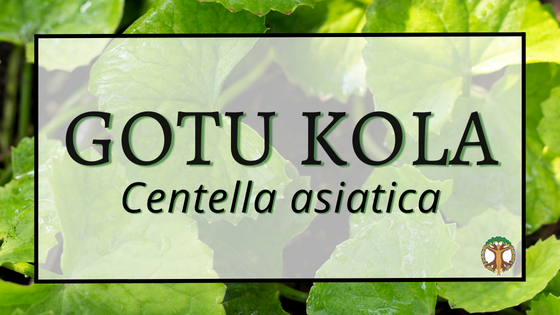
Gotu Kola
Gotu Kola is the most noted herb used for brain function in Ayurvedic medicine. For thousands of years, it has been used in Asia for food and medicine.
-
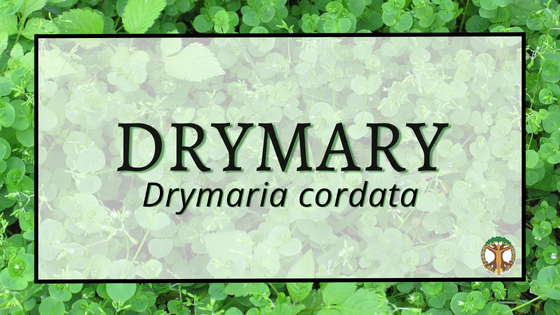
Drymary
Known as a tonic herb, leaves usually used raw or dried have a tender, mild flavor.
-
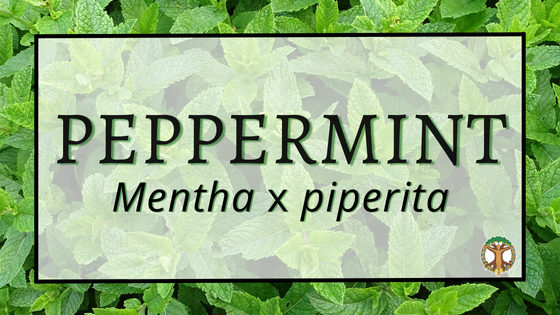
Peppermint
Native to southern Europe, it is a perennial herb that has been naturalized worldwide. Peppermint grows wild in moist soils in the warm regions of Europe, Asia, and America.
-
Hibiscus
The calyces of hibiscus are rich in Vitamin C, and have a history of medicinal use to reduce blood pressure, alleviate symptoms of heat exhaustion, and support the immune system. Plus, the tart and tangy flavor makes a great addition to other herbal infusions to make them more palatable.
-
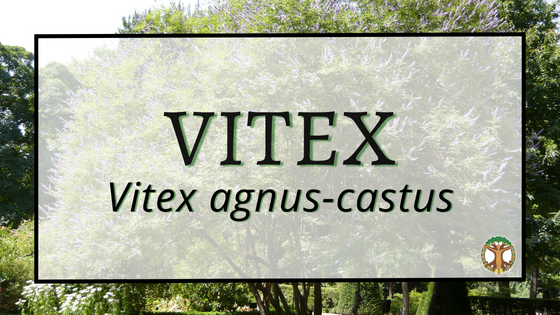
Vitex
Vitex carries a common name of "monk's pepper" for its long history of use in monasteries and convents.
-
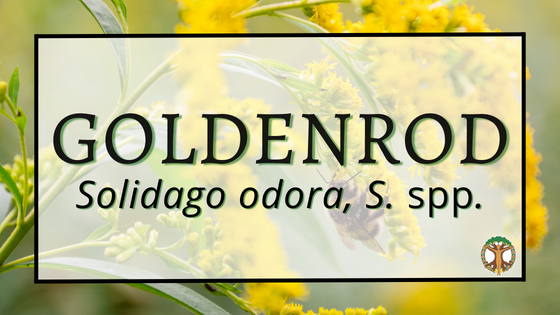
Goldenrod
Goldenrod has been and continues to be used by the First Peoples of North America for generations. Much of what we know about the medicinal actions of this plant come from their generous teachings.

Learn Herbalism in Florida and Globally